Service
Commercial Services
Offices, clinics, salons and multi-unit turnovers — scheduled around your hours.
Commercial floors fail on a schedule, not at random. Entryways take the first twenty feet of everything the parking lot has to offer; corridors wear in a line; conference rooms sit untouched for months. A maintenance plan that hits the right zones at the right frequency costs less than a full clean twice a year and keeps the place looking consistently good instead of alternating between fresh and shabby.
Dry time
Planned so the space is ready before you open. Low-moisture options where it has to be same-hour.
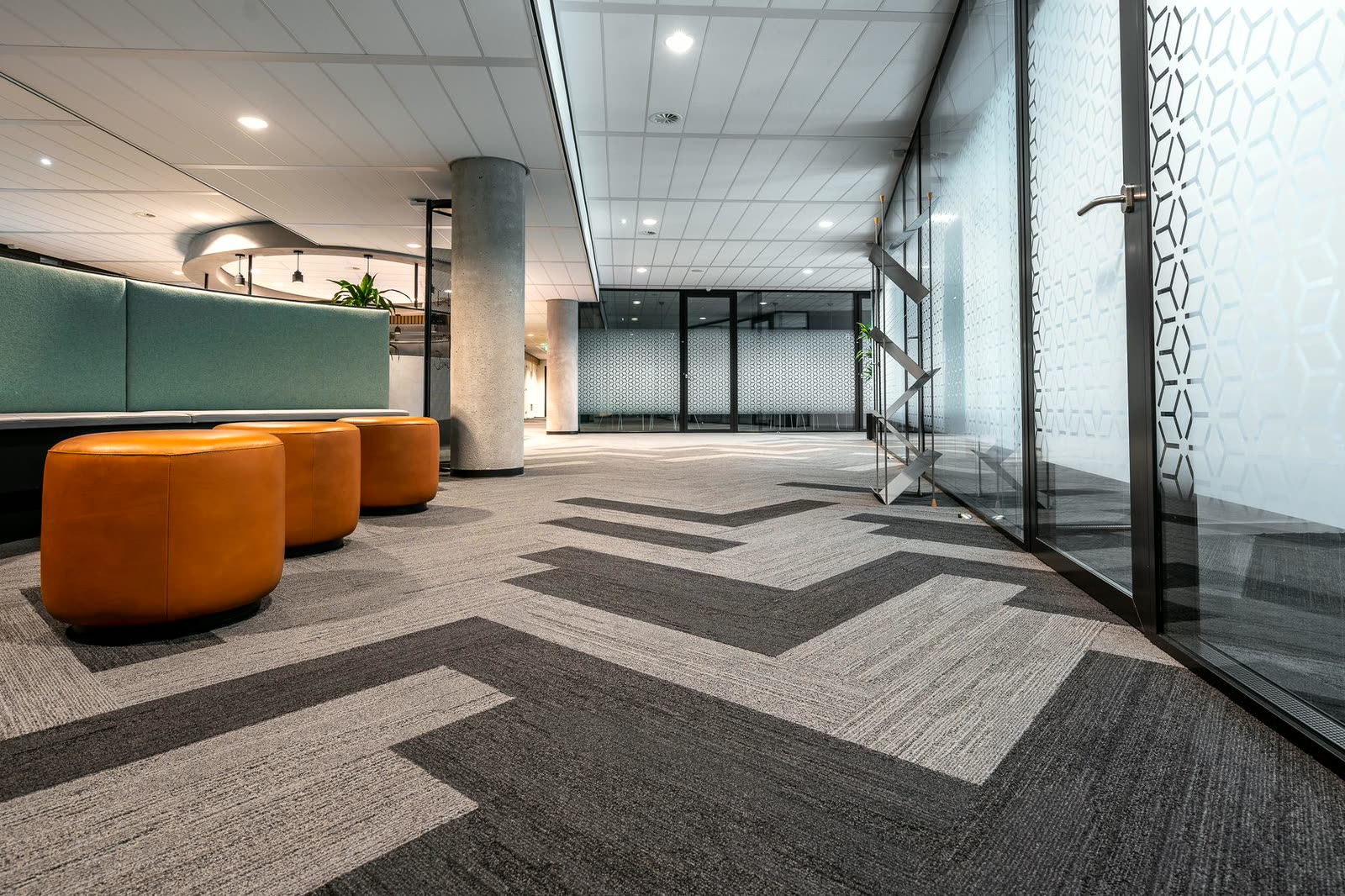
- Offices
- Medical and dental
- Salons
- Churches
- Apartment turnovers
- Short-term rentals
The method
Step by step, and why each one matters.
Any of these can be skipped to save fifteen minutes. Skipping them is the difference between a clean that lasts a year and one that lasts a month.
- 01
Zone the building
Entry, corridor, workstation and low-traffic areas each need a different frequency. One blanket schedule wastes money on some and starves others.
- 02
Set the frequency
Interim cleans on the zones that show it, full restorative cleans less often.
- 03
Work around you
Nights, weekends or floor-by-floor phasing. Nobody should be stepping over a hose during business hours.
- 04
Report
What was done, what was found, what needs attention before it becomes expensive.
Included as standard
Every one of these, every time.
None of it is an add-on and none of it appears on your bill as a line item you did not expect.
- Walk-through and a written zone plan before any schedule is set
- After-hours, weekend or phased work so you do not close
- Entry and traffic-lane focus between full cleans
- Consistent technician — the same person learns your building
- Invoicing and scheduling that suits a property manager
Also available